
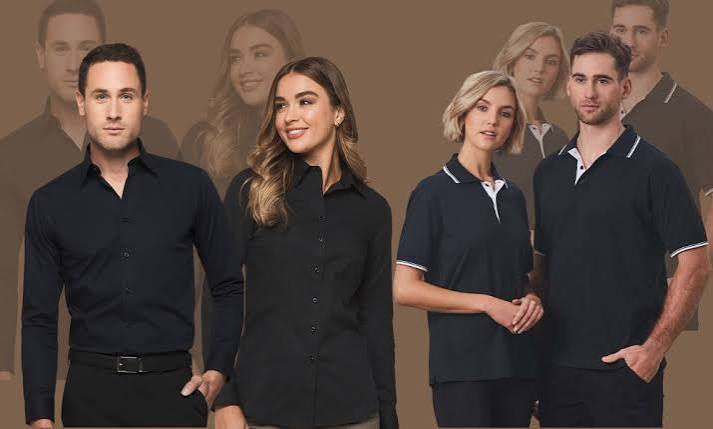
Walk into a busy restaurant, a hotel lobby, a theater, a high-end retail store or a corporate reception area, and there is a strong chance the staff are wearing black. Black shirts, black trousers, black aprons and black knitwear have become so common in service and professional settings that many people barely notice them. Yet the choice is rarely accidental.
Uniform color shapes how customers perceive a business, how easy staff find their clothing to maintain and how consistent a team looks over months of daily wear. Black has earned its place as a default because it solves several practical problems at once. It also brings challenges that organizations often overlook until faded, mismatched garments start appearing on the shop floor.
This article looks at why black dominates workplace uniforms, where it works best, where it struggles and how organizations can build a black uniform system that stays sharp from the first day to the last.
The Practical Case for Black
It Hides the Marks of a Working Day
Service work is messy. Food, drinks, cleaning products, ink and dust all find their way onto clothing. Black disguises minor stains far better than light colors, which helps staff look presentable through long shifts without frequent changes.
It Coordinates With Almost Everything
Black pairs easily with other colors, logos, name badges, aprons and accessories. A business can change its branding, add a seasonal accent or introduce a new apron color without replacing the entire uniform.
It Simplifies Ordering
When every item shares one base color, ordering becomes easier. New staff can be outfitted quickly, and replacements match existing items more readily than they would in a bright brand color.
The Image Black Creates
A Sense of Formality
Black carries associations with formality and seriousness. In fine dining, luxury retail and professional services, it signals polish and attention to detail.
Letting the Environment Lead
In restaurants, galleries, theaters and showrooms, staff in black tend to recede into the background. Guests focus on the food, the performance or the products rather than the uniform. This is one reason black is common among event staff and stagehands.
A Neutral, Inclusive Look
Black suits many skin tones and body types, and it avoids strong cultural or seasonal associations that some brighter colors carry. For diverse teams, that neutrality can help everyone feel comfortable in the uniform.
Where Black Works Best
Hospitality and Food Service
Restaurants, bars and cafés value black for its stain-hiding qualities and its ability to look smart under low lighting.
Retail and Showrooms
Fashion and lifestyle stores often choose black so staff look stylish without competing with the merchandise.
Events and Performance Venues
Ushers, stage crews and event staff frequently wear black so they are present but unobtrusive.
Corporate Reception and Front Desks
Black knitwear, shirts and trousers create a professional look in lobbies and client-facing spaces.
The Role of Knitwear in a Black Uniform
Warmth Without Breaking the Look
Many workplaces are colder than staff expect, especially near entrances, in air-conditioned rooms or during early shifts. A dark knit layer allows staff to stay warm while keeping the uniform consistent. A personal sweater in a random color, by contrast, can undermine the whole look.
Why Cardigans Are So Practical
Cardigans open fully, so staff can wear them buttoned for warmth or open for a lighter feel. They layer neatly over shirts and polos and are easy to remove when a kitchen or stockroom heats up. Many hotels, restaurants and retailers now include Black Cardigans in their standard uniform list, giving staff an approved warm layer that matches their shirts and trousers.
Choosing the Right Knit
Fine-gauge knits look smart and suit front-of-house roles. Heavier knits provide more warmth for staff working near doors or outdoors. Pilling-resistant fabrics are worth considering, since knitwear is worn often and washed frequently.
The Challenges of Black Uniforms
Fading and Color Mismatch
Black is not as permanent as it looks. Repeated washing, sunlight and harsh detergents can turn deep black into charcoal or brownish gray. When older and newer garments sit side by side, the difference becomes obvious.
Showing Lint, Dust and Light Stains
While black hides dark stains, it shows lint, flour, pet hair, deodorant marks and light-colored dust. Staff may need lint rollers or regular brushing to keep garments looking clean.
Heat Absorption
Black absorbs more heat in direct sunlight, which can make outdoor roles uncomfortable in summer. Breathable fabrics and lighter-weight garments help.
Different Blacks From Different Sources
Black fabrics vary more than many buyers expect. One supplier’s black may look slightly blue or brown next to another’s. Mixing sources is one of the most common causes of uneven uniforms.
Building a Consistent Black Uniform System
Choose Uniform-Focused Brands
Brands that design specifically for workplace programs often prioritize colorfastness, stain release, snag resistance and consistent dye lots across reorders. Buyers comparing these options frequently look at harriton apparel wholesale ranges, which cover polos, work shirts, fleece and knitwear designed for hospitality, service and corporate programs, making it easier to source several uniform pieces from one consistent line.
Source Core Pieces From the Same Range
Where possible, buy shirts, knitwear and outer layers from the same product family. This reduces the risk of visibly different shades across the team.
Test Before You Commit
Wash sample garments several times and compare them with new pieces. Check how each item holds its color under the business’s normal laundering routine.
Set Care Standards
Wash black garments inside out, in cool water, with detergents designed for dark colors. Avoid overdrying, which accelerates fading.
Plan Replacement Cycles
Even well-cared-for black garments eventually fade. Replacing items on a regular schedule, rather than one at a time, keeps the team looking even.
Common Mistakes With Black Uniforms
Assuming All Black Matches
Ordering from multiple suppliers or product lines without comparing samples leads to visible differences.
Ignoring Seasonal Comfort
A black uniform that works indoors in winter may be uncomfortable outdoors in summer. Plan breathable options for hot conditions.
Allowing Personal Layers
Without an approved warm layer, staff bring their own sweaters, which breaks the uniform look.
Neglecting Lint Control
Black garments covered in lint or dust look worse than lighter garments with the same issue.
Forgetting Visibility Needs
For roles near traffic or machinery, black alone is not enough. Visibility garments must still be worn where required.
Conclusion
Black dominates workplace uniforms for good reasons. It hides stains, coordinates with nearly everything, simplifies ordering and creates a polished, neutral image that suits hospitality, retail, events and corporate settings. Knitwear layers, especially cardigans, help staff stay warm without breaking the uniform’s consistency.
The challenges are real, though. Fading, lint, heat and mismatched shades can quickly undermine a black uniform. Organizations that choose uniform-focused brands, source core pieces from one range, test samples, set clear care standards and plan replacement cycles can enjoy the advantages of black while avoiding its common pitfalls.
FAQs
Q1: Why do so many restaurants use black uniforms?
Black hides food and drink stains well, looks smart under low lighting and coordinates easily with aprons and accessories.
Q2: How can businesses stop black uniforms from fading?
Wash garments inside out in cool water, use detergents for dark colors, avoid overdrying and replace items on a regular schedule.
Q3: Why do black garments from different suppliers look different?
Dyes and fabrics vary, so one black can appear slightly blue, brown or gray next to another. Buying from one product range helps.
Q4: Are cardigans suitable for uniform programs?
Yes. They provide warmth, layer neatly over shirts and polos and can be worn open or buttoned as conditions change.
Q5: Is black a good uniform color for outdoor work?
It can be uncomfortable in strong sun because it absorbs heat, and roles near traffic still require visibility garments.

Eliana is an English language writer with 10 years of experience. She creates simple grammar guides, vocabulary tips, and writing resources for GrammerMint readers.